
Designing Spaces for Physical/Kinesthetic Learning: Choosing the Right Furniture
When it comes to education, one size does not fit all. Every student has a unique learning style, and it's crucial to create environments that cater to various approaches to learning. Physical or kinesthetic learners, for instance, thrive in hands-on, movement-oriented settings. Designing spaces to support their needs involves careful consideration of furniture and layout. This blog will explore how to create spaces and choose the right furniture to facilitate physical/kinesthetic learning.
Understanding Physical/Kinesthetic Learning
Physical or kinesthetic learners learn best through physical activities, tactile experiences, and movement. They excel when they can engage their bodies in the learning process, whether through hands-on experimentation, role-playing, or physical manipulation of objects. These learners are often great problem solvers and typically remember information best when associating it with physical actions.
Designing Spaces
Flexible Seating Arrangements: Consider providing various seating options to accommodate physical learners. Flexible seating arrangements allow students to move around and choose the seating that suits their learning style. This could include standing desks, yoga balls, bean bags, or floor cushions. The key is to offer alternatives to traditional desks and chairs.
Collaborative Spaces: Encourage group activities and collaboration by creating dedicated spaces for teamwork. Large tables, whiteboards, and comfortable seating can foster interaction and hands-on group projects.
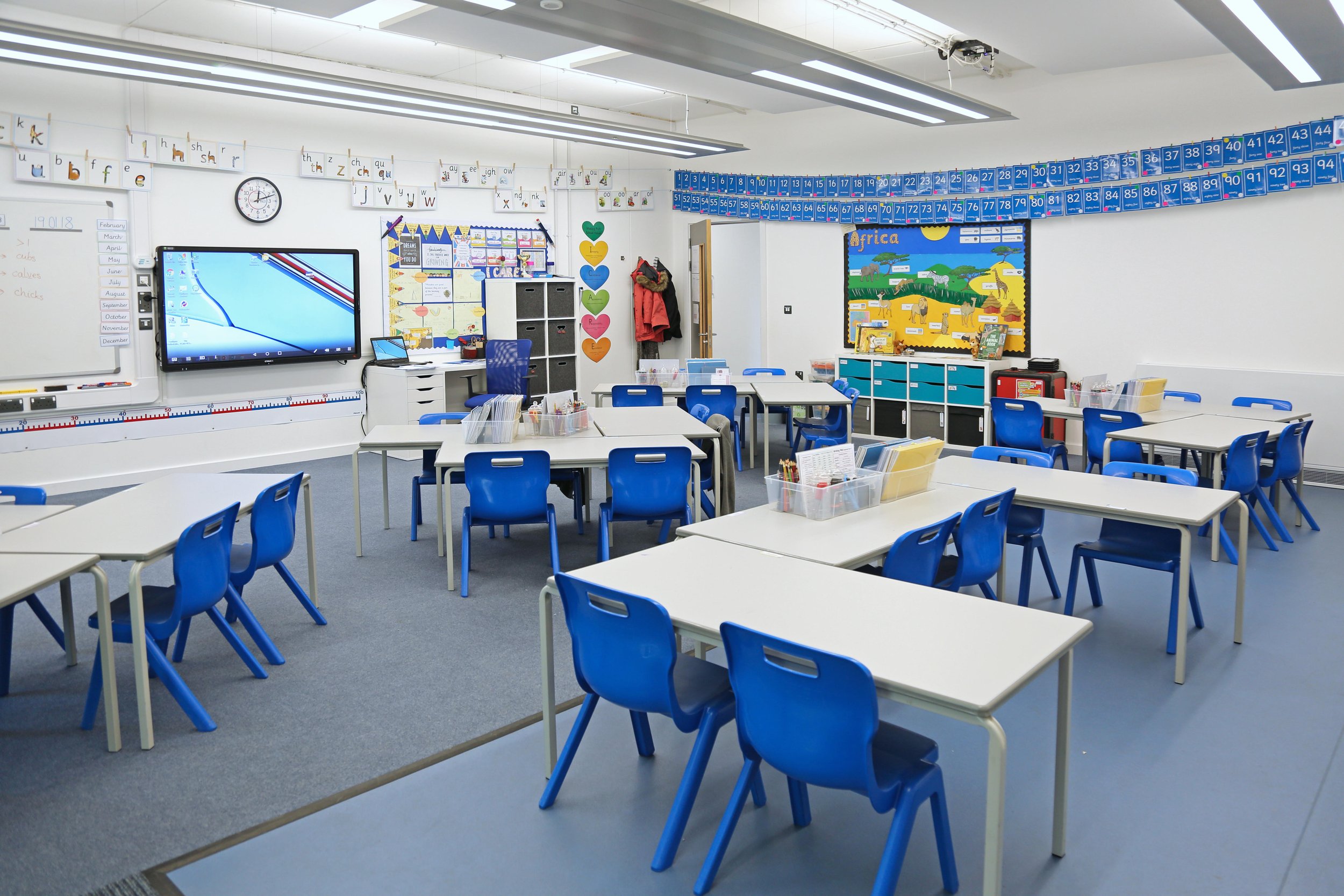
Movement Zones: Incorporate designated areas for movement breaks or physical activities. This could be a corner with exercise equipment, a mini trampoline, or even a yoga mat. These zones provide an outlet for kinesthetic learners to release excess energy, which can improve their focus.
Accessible Supplies: Make sure supplies and learning materials are easily accessible. Having readily available tools, manipulatives, and resources empowers students to physically engage with their hands and explore concepts.

Choosing the Right Furniture
Height-Adjustable Desks: Adjustable desks that accommodate sitting and standing positions are excellent choices. This allows students to change their posture throughout the day, keeping them engaged and active.
Ergonomic Seating: Invest in ergonomic chairs and seating options that support good posture. Ergonomic furniture reduces physical discomfort and enhances concentration.
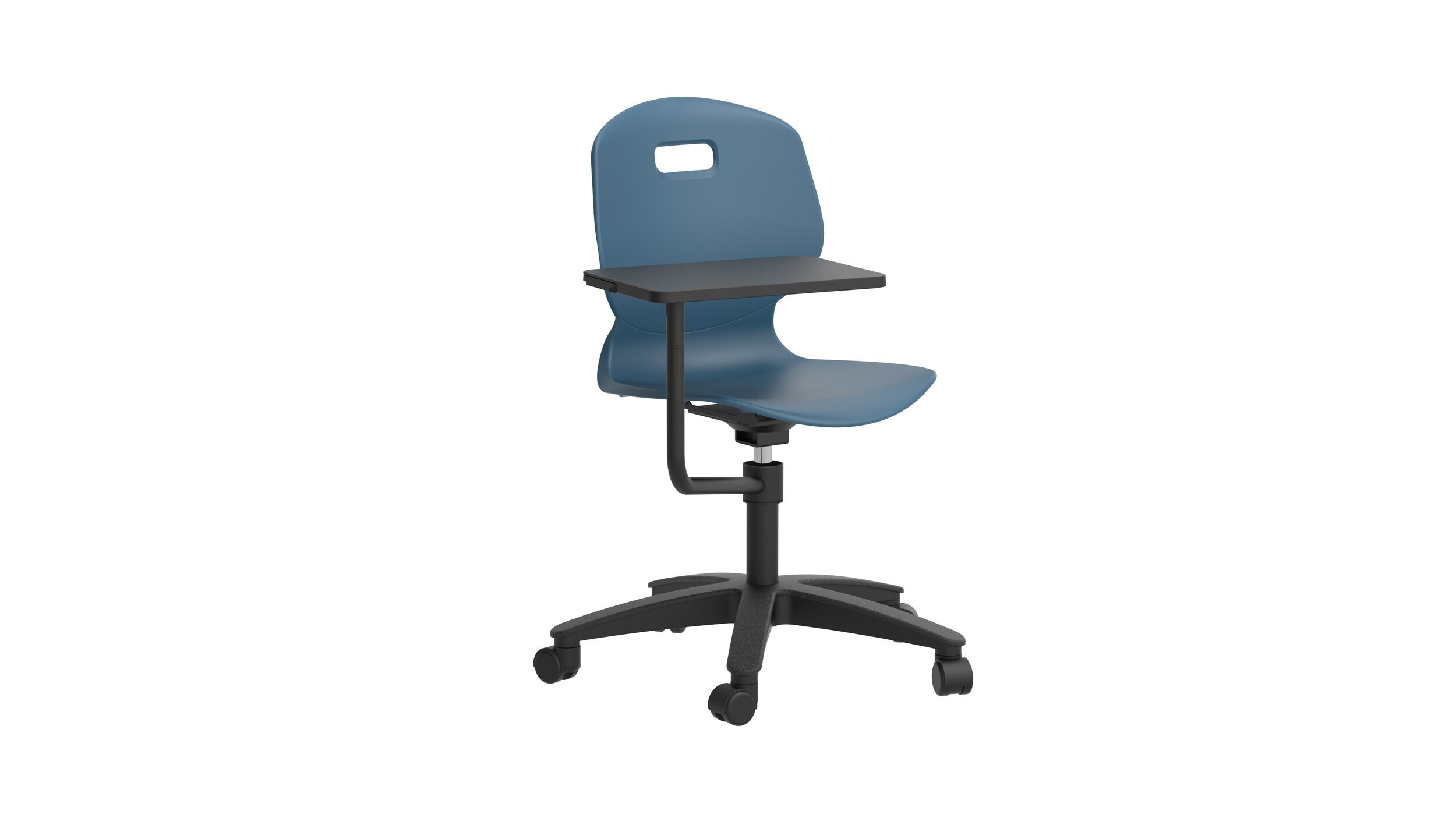
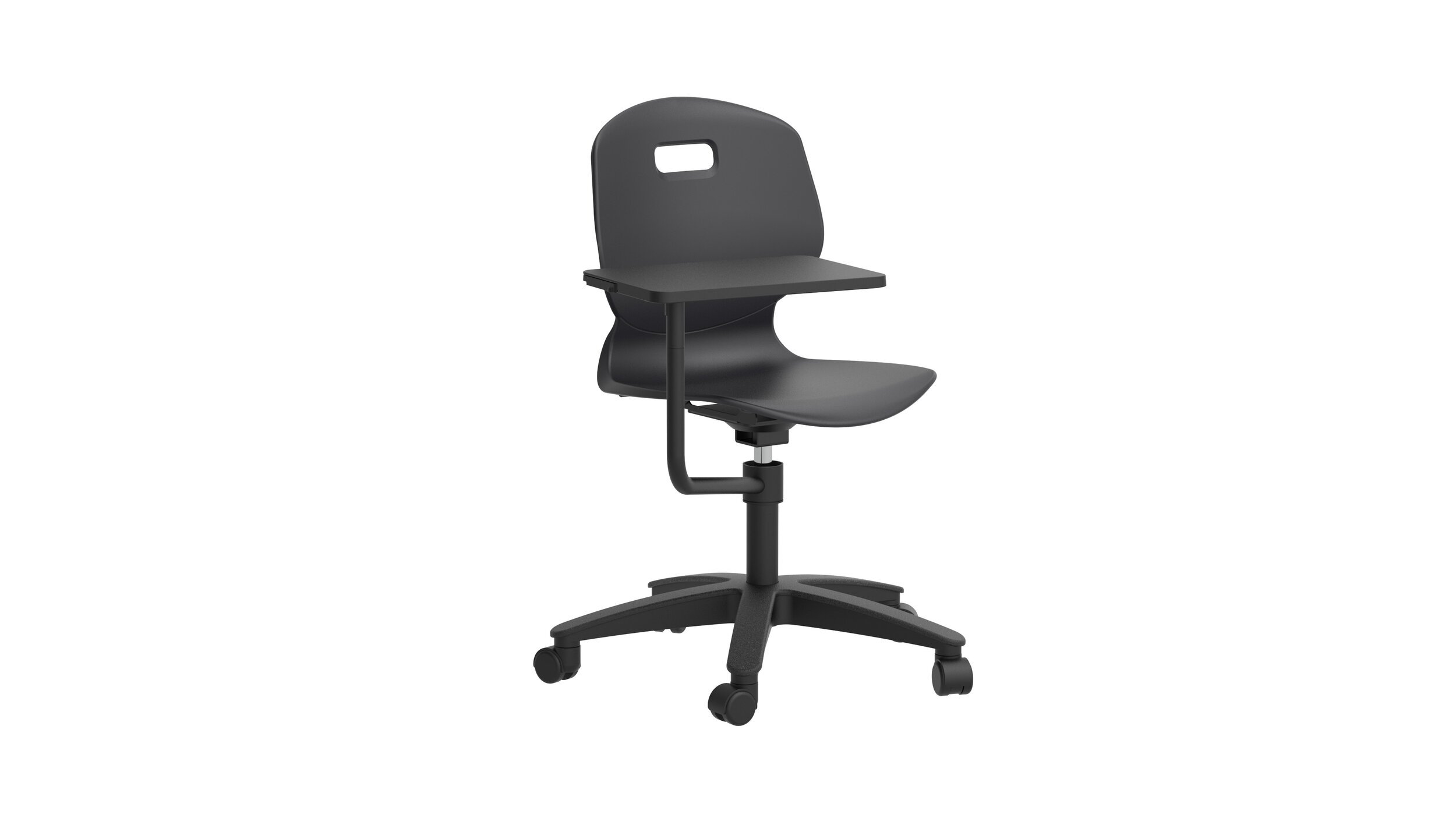
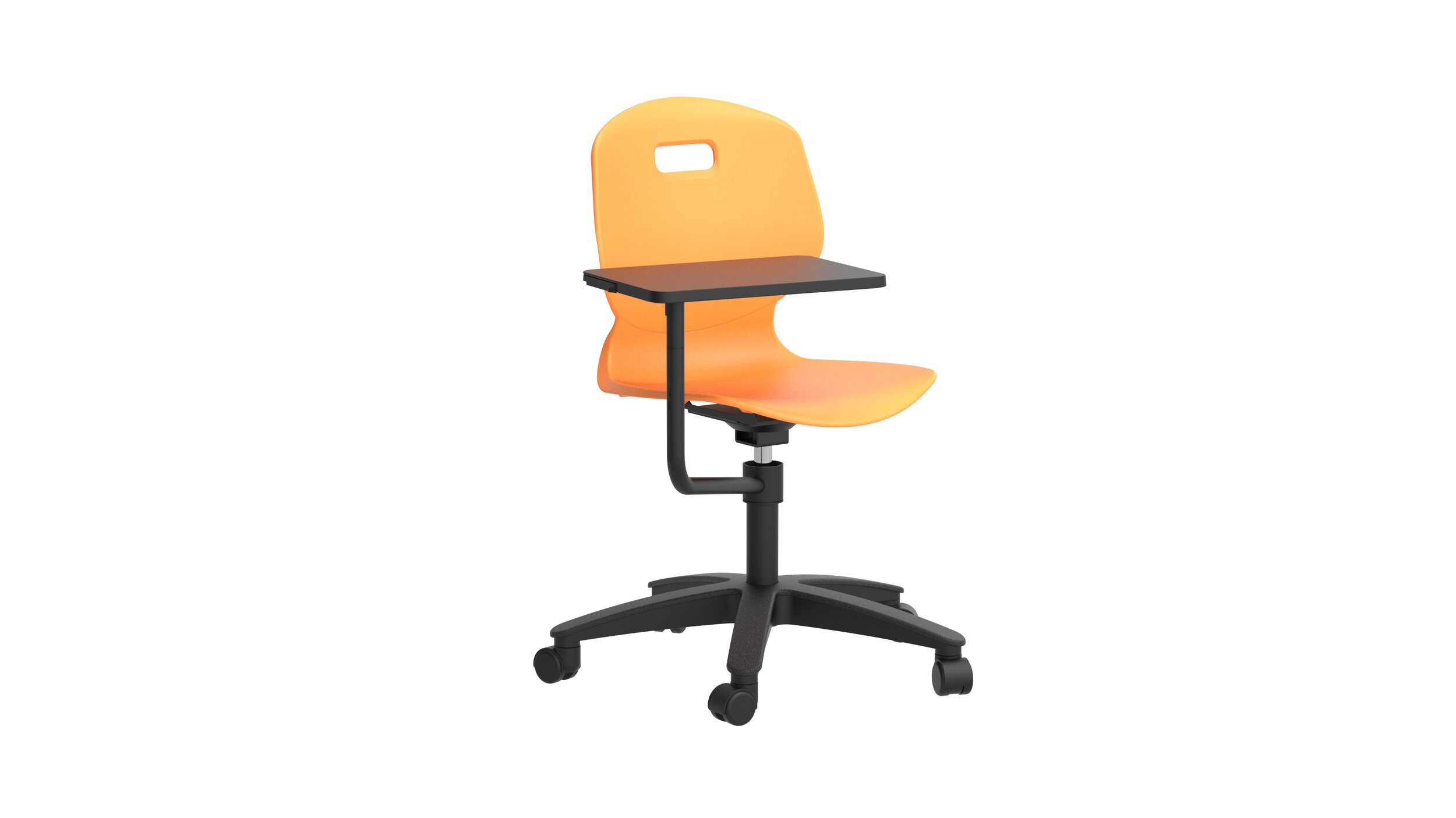
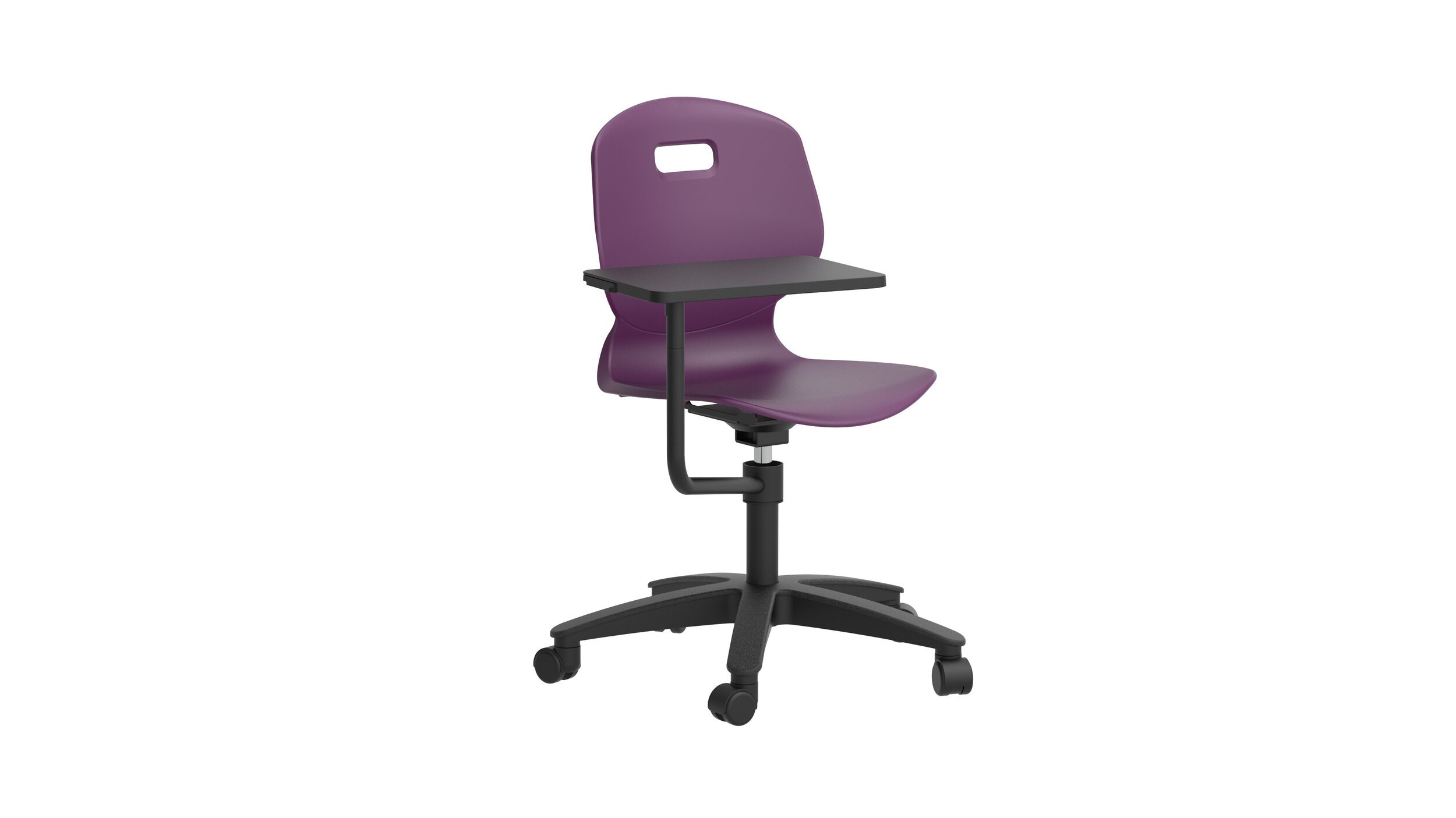
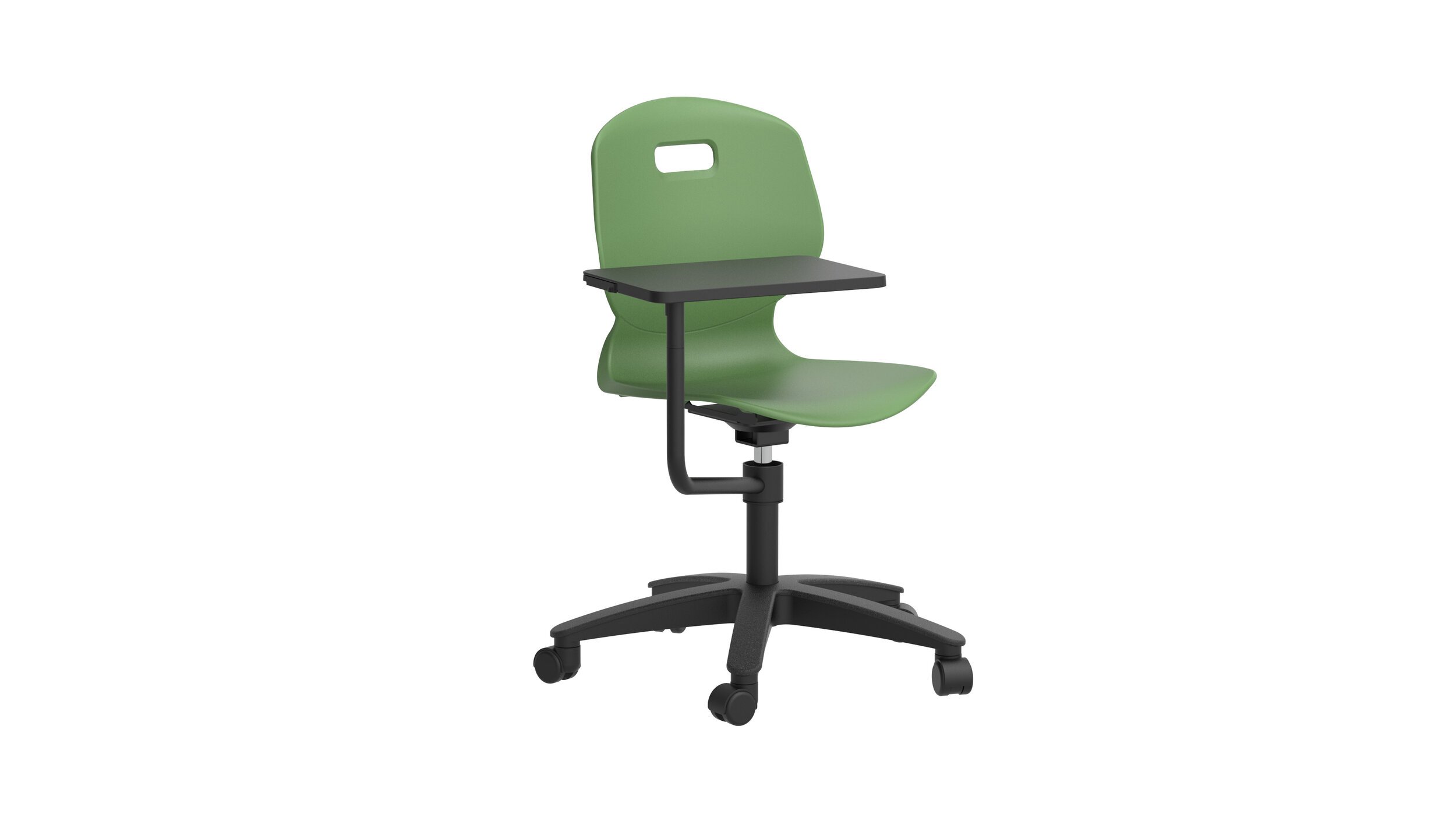
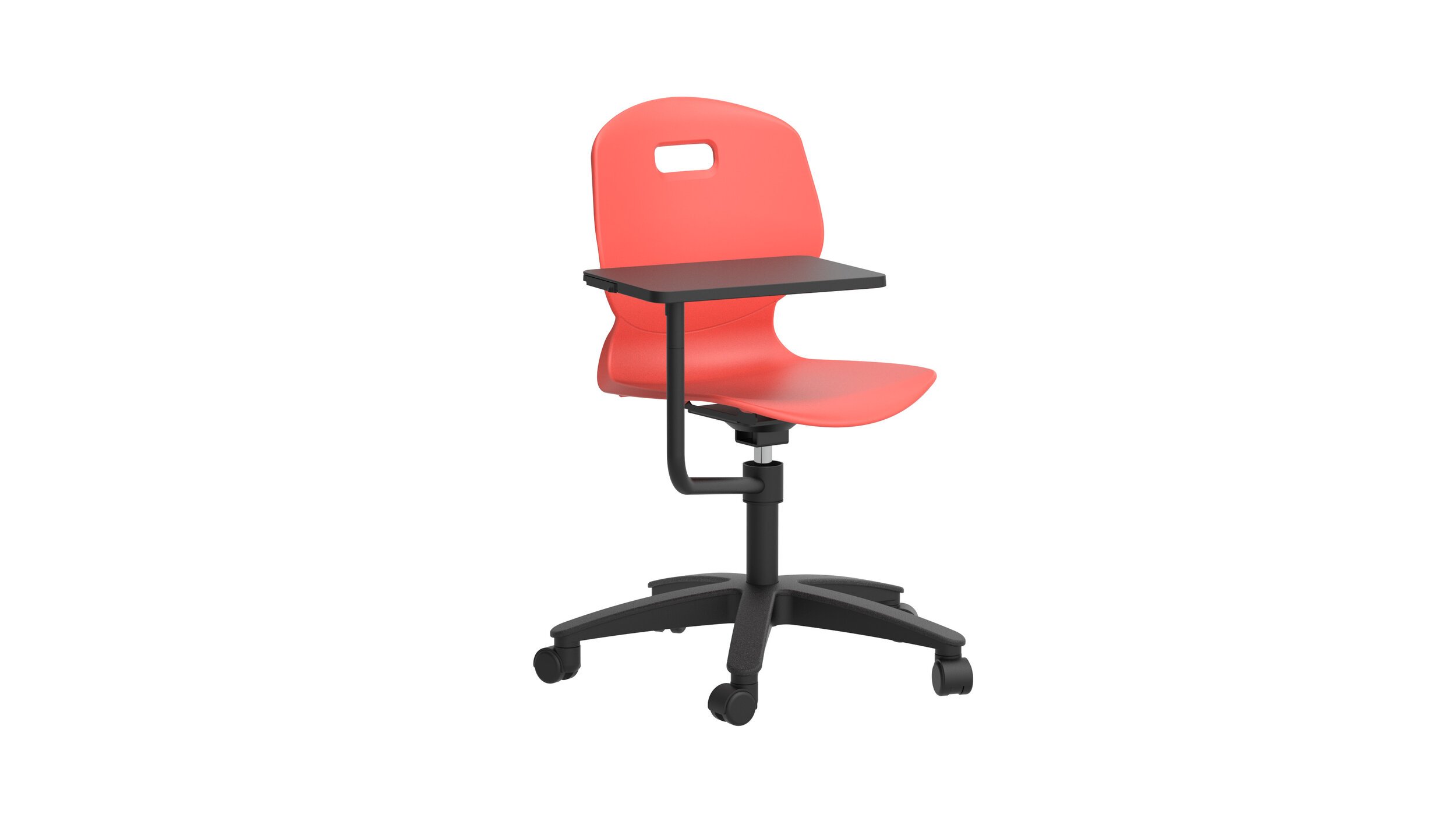
The Dynamic 3D Tilt chair has a unique 3D mechanism that instinctively tilts forward, back and side to side with the user's weight as they work—creating a dynamic and comfortable sitting experience. It intertwines into flexible working and learning environments, whether IT and office spaces or education environments such as universities.
This swivel chair gives the user the ability to move around areas with ease, as well as an optional arm tablet, perfect for note-taking in lecture halls and keeping your space your own.
Mobile Furniture: Consider furniture on wheels that can be easily rearranged. This flexibility encourages students to create and adapt their ideal learning environment as needed.
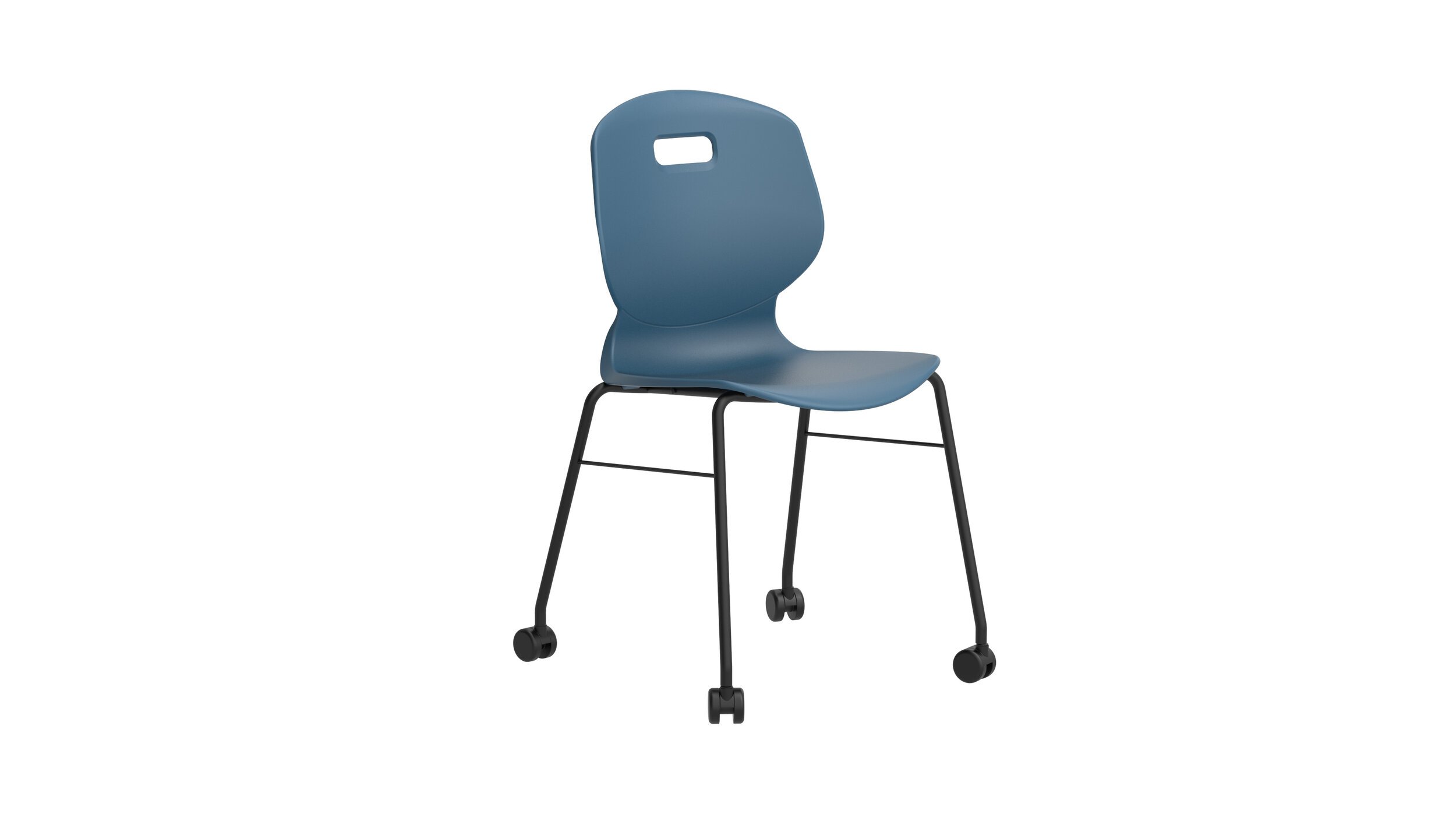
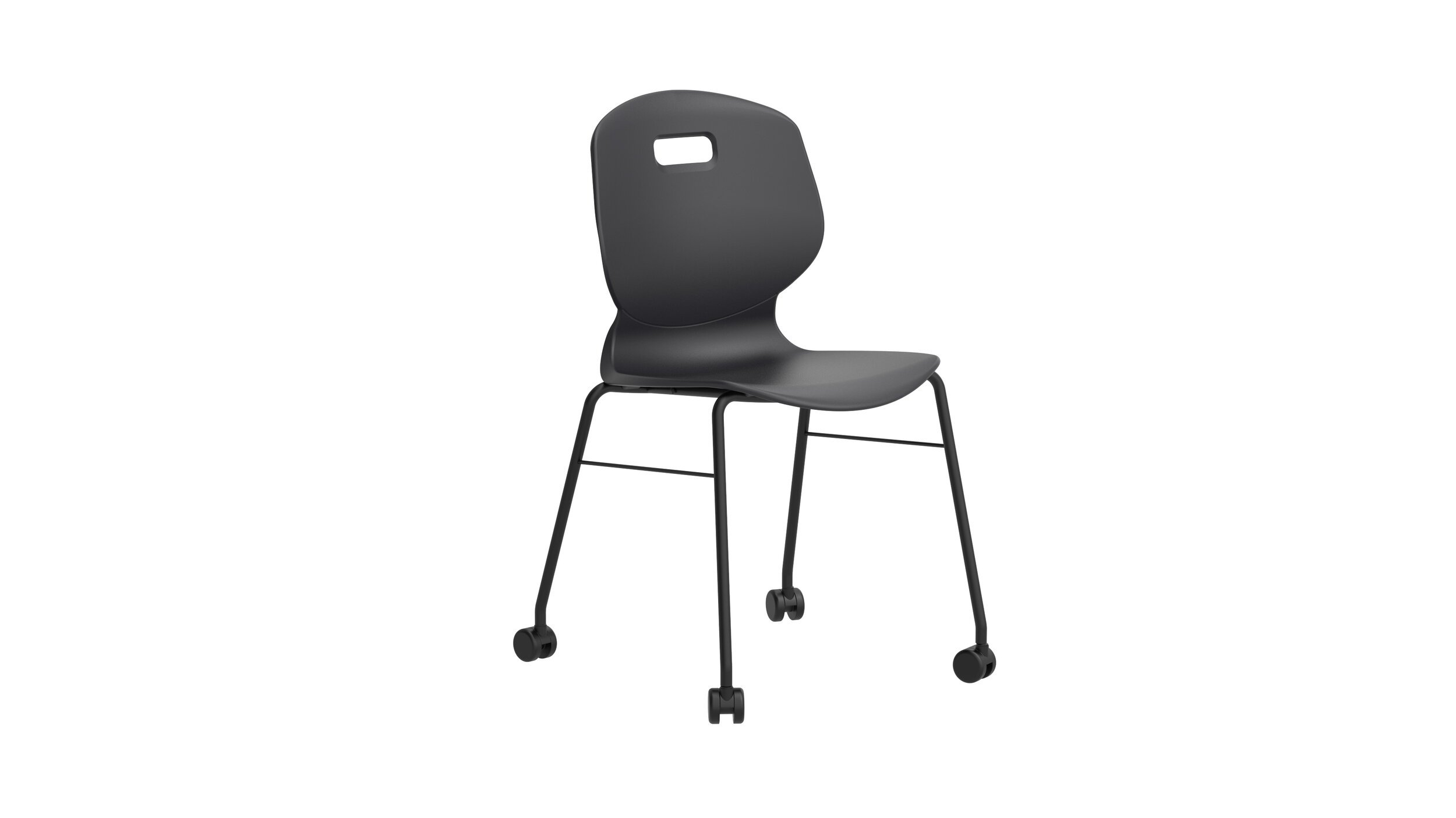
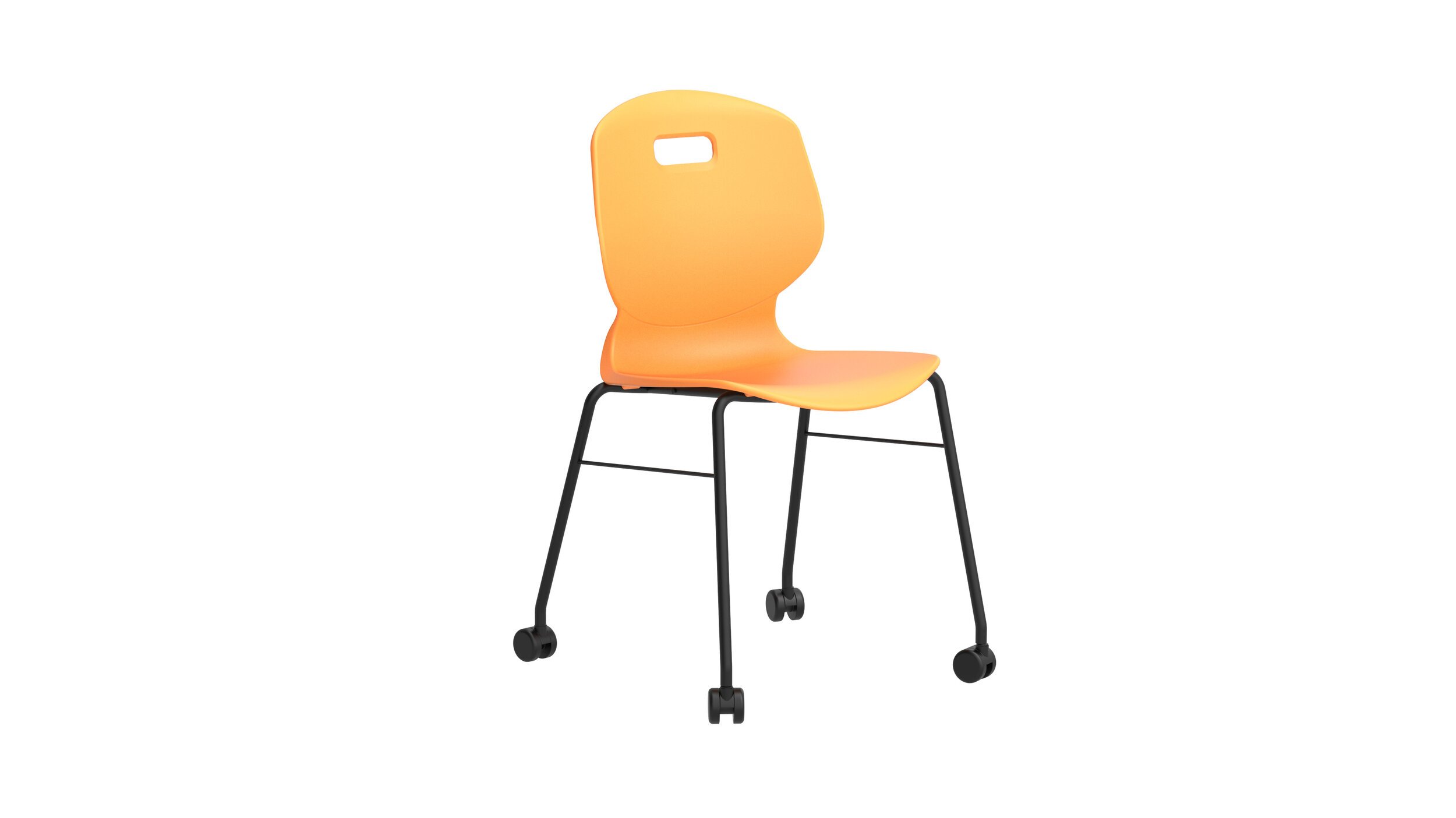
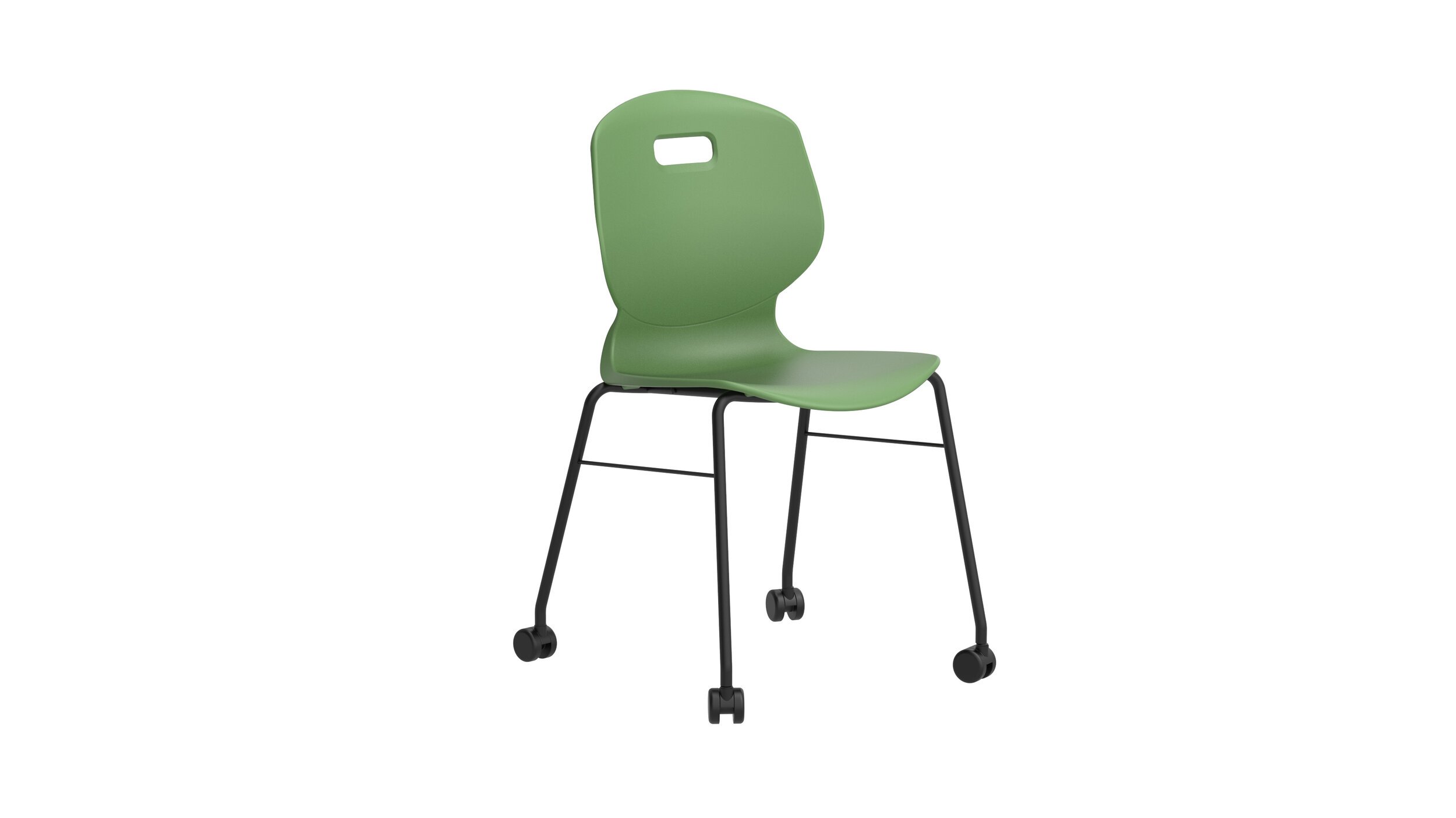
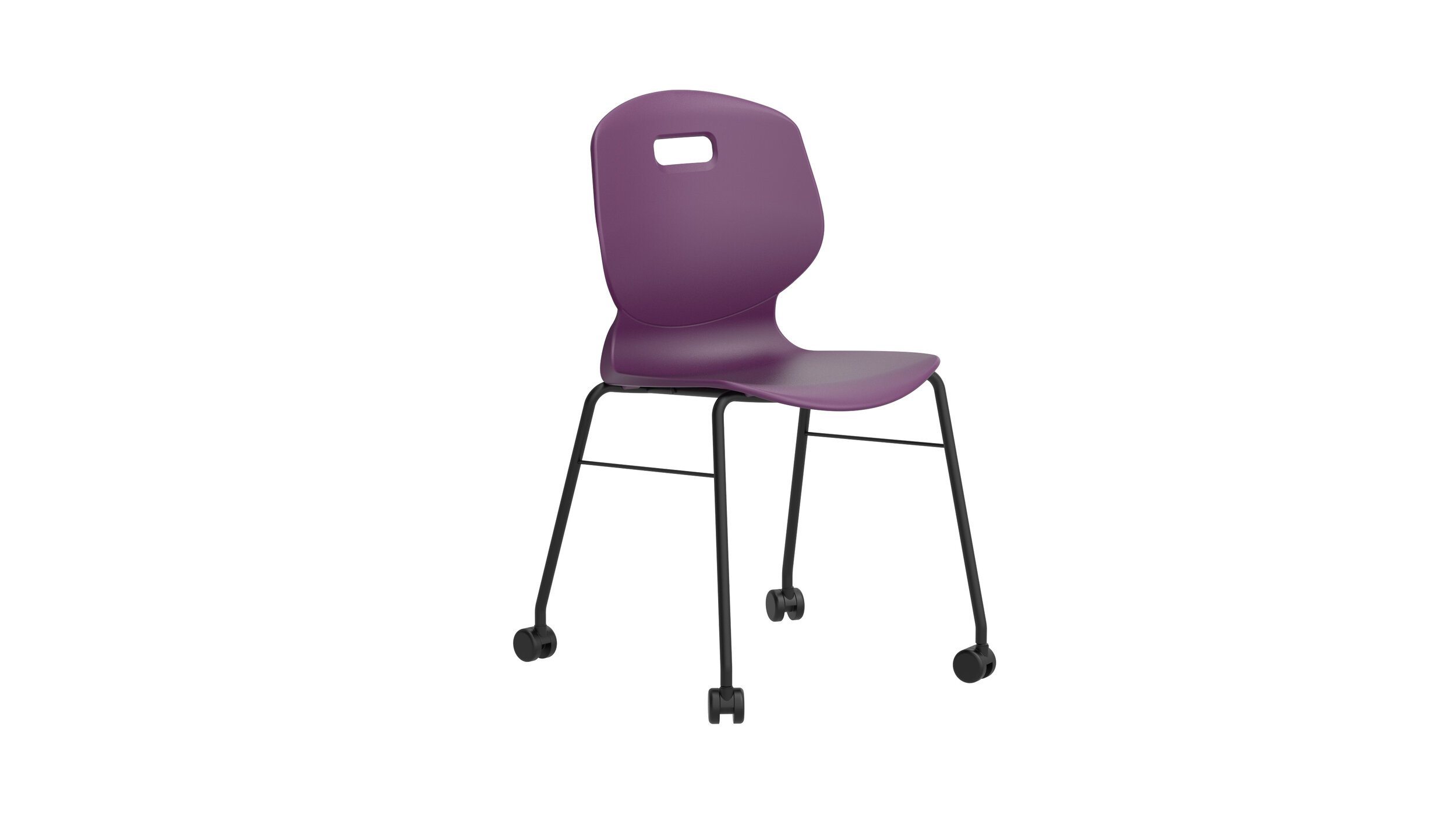
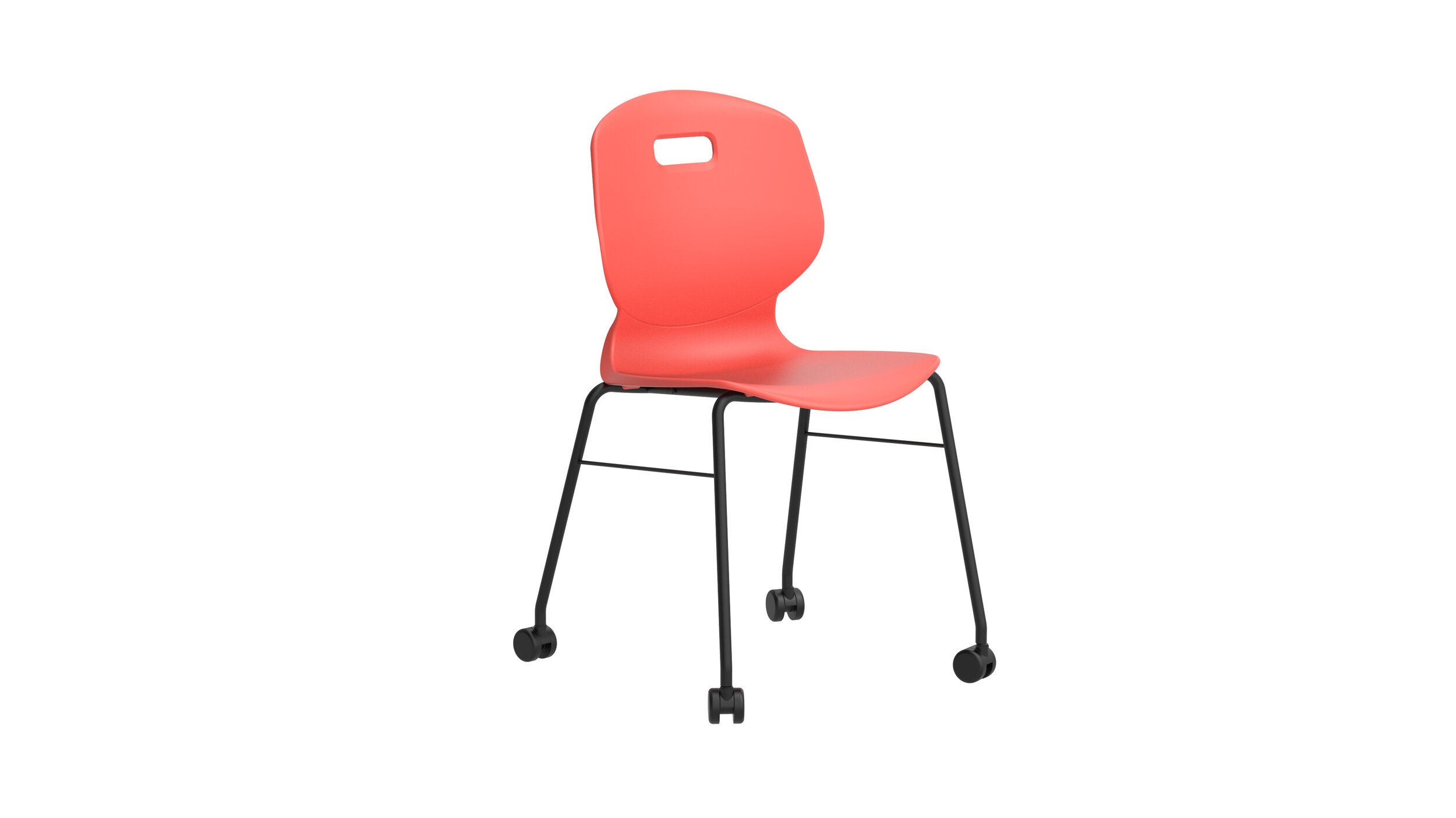
This Mobile chair is easy to integrate into flexible working environments, whether in the office or educational settings, to modernise the way these spaces look and feel. This chair gives the user the ability to move around areas with ease and reconfigure multipurpose rooms quickly.
Storage Solutions: Include storage spaces near each learning area to organise materials. This makes it easy for students to access and return items as needed.


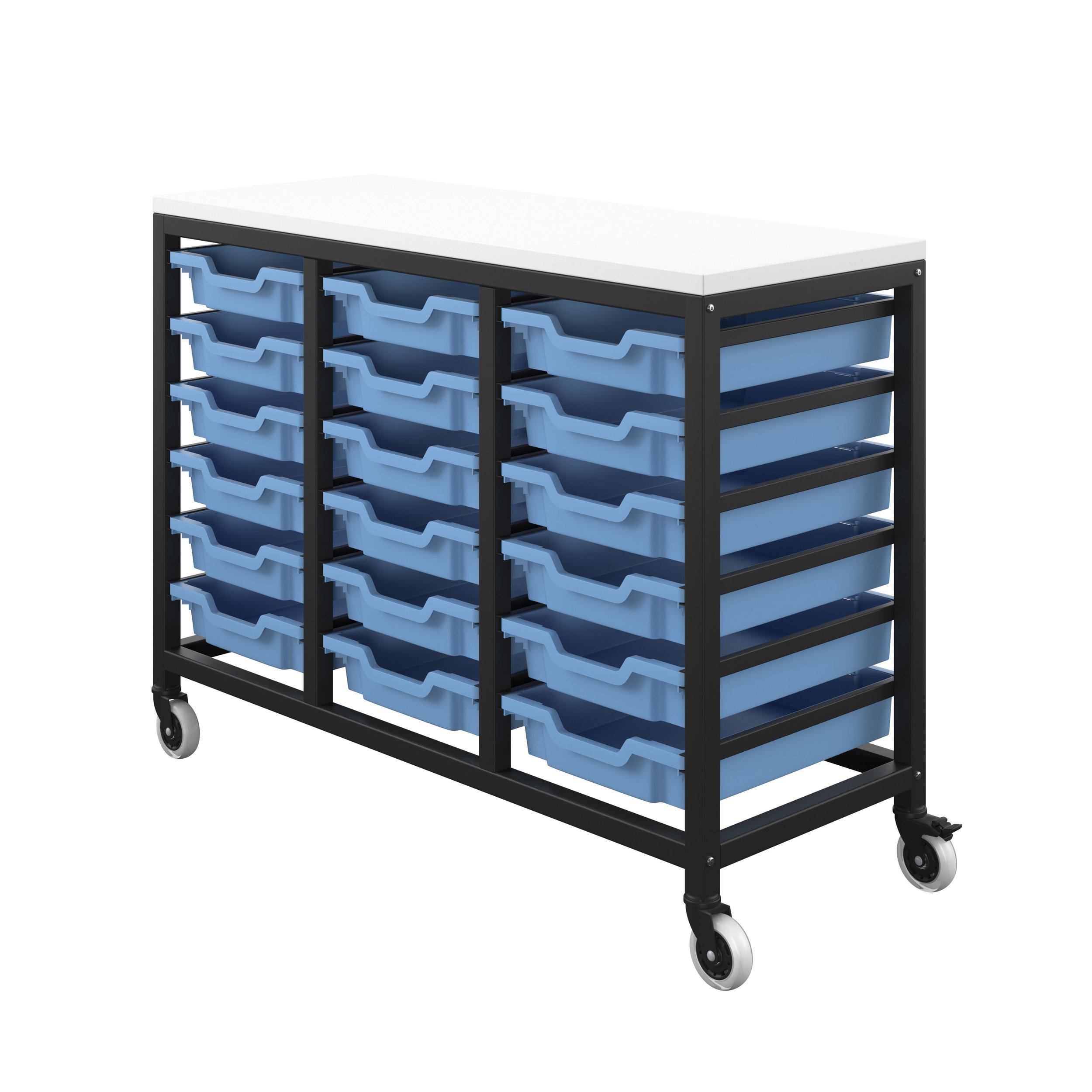

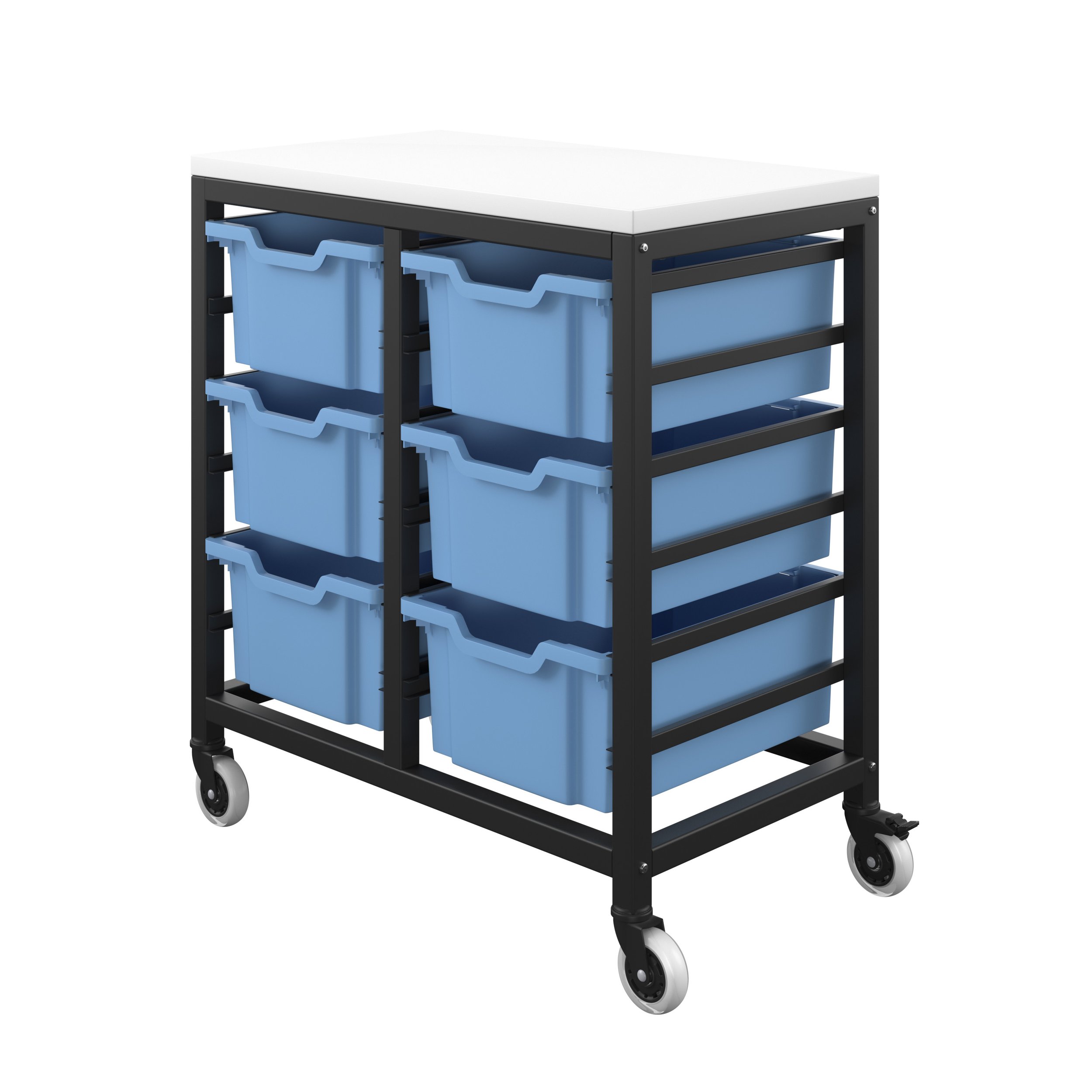
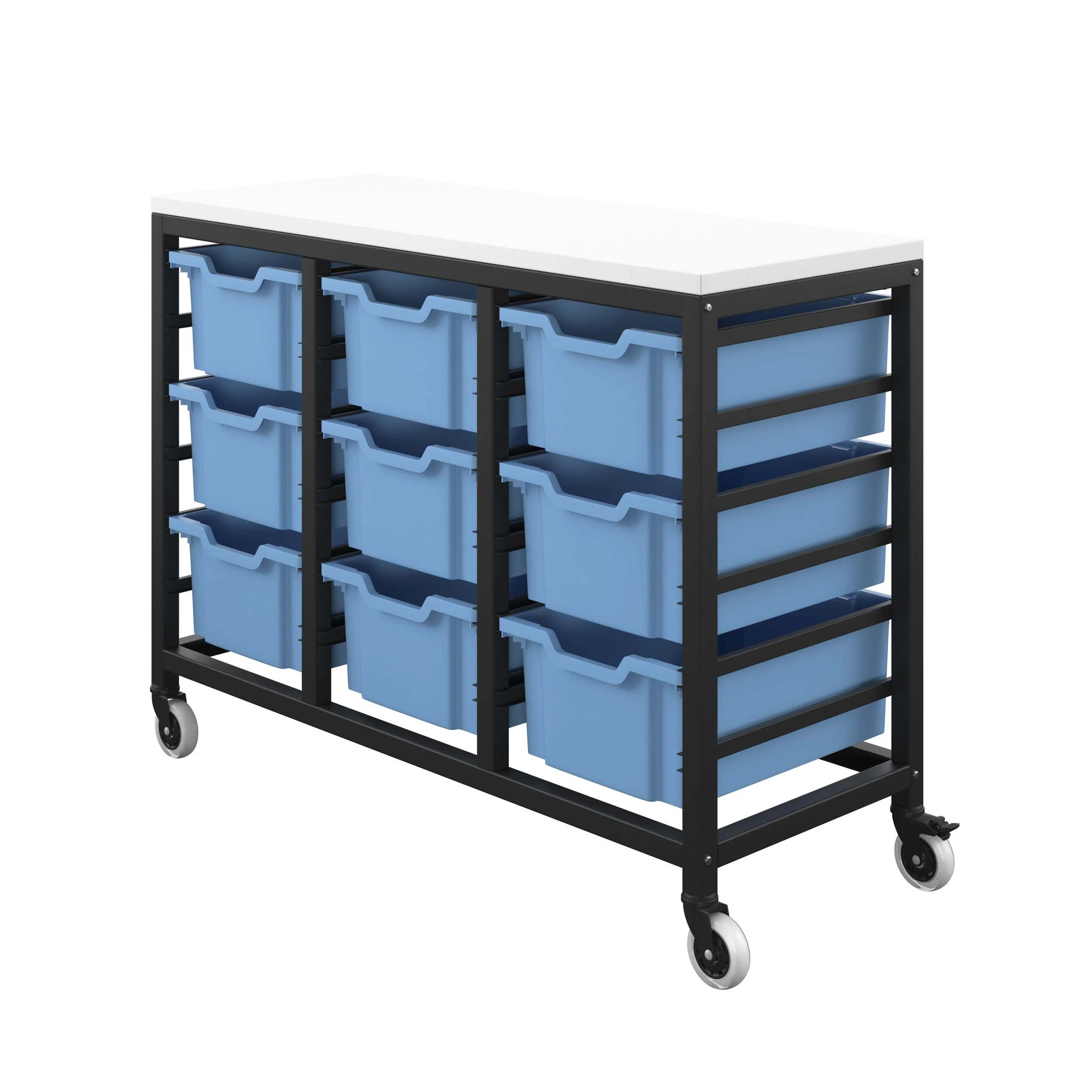
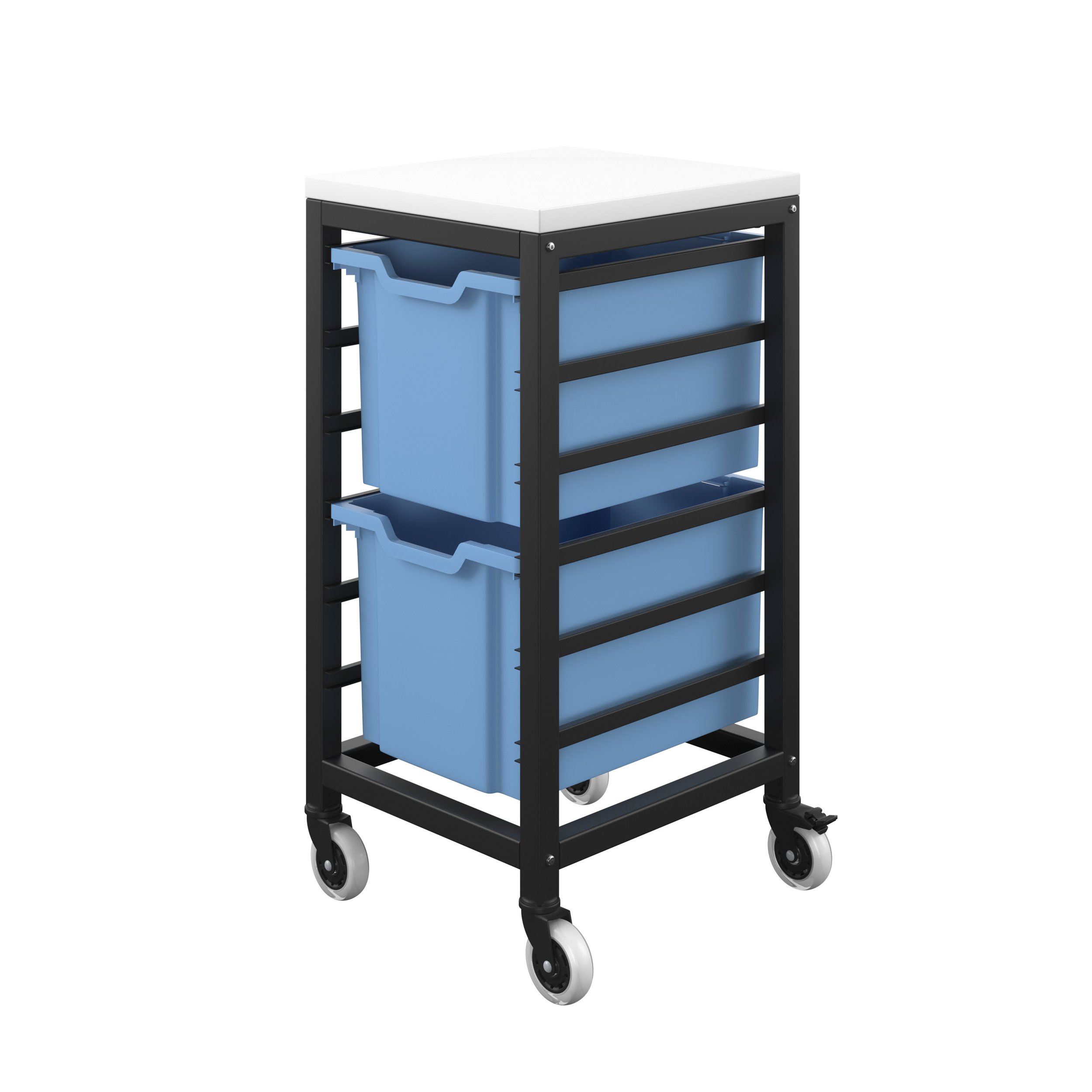
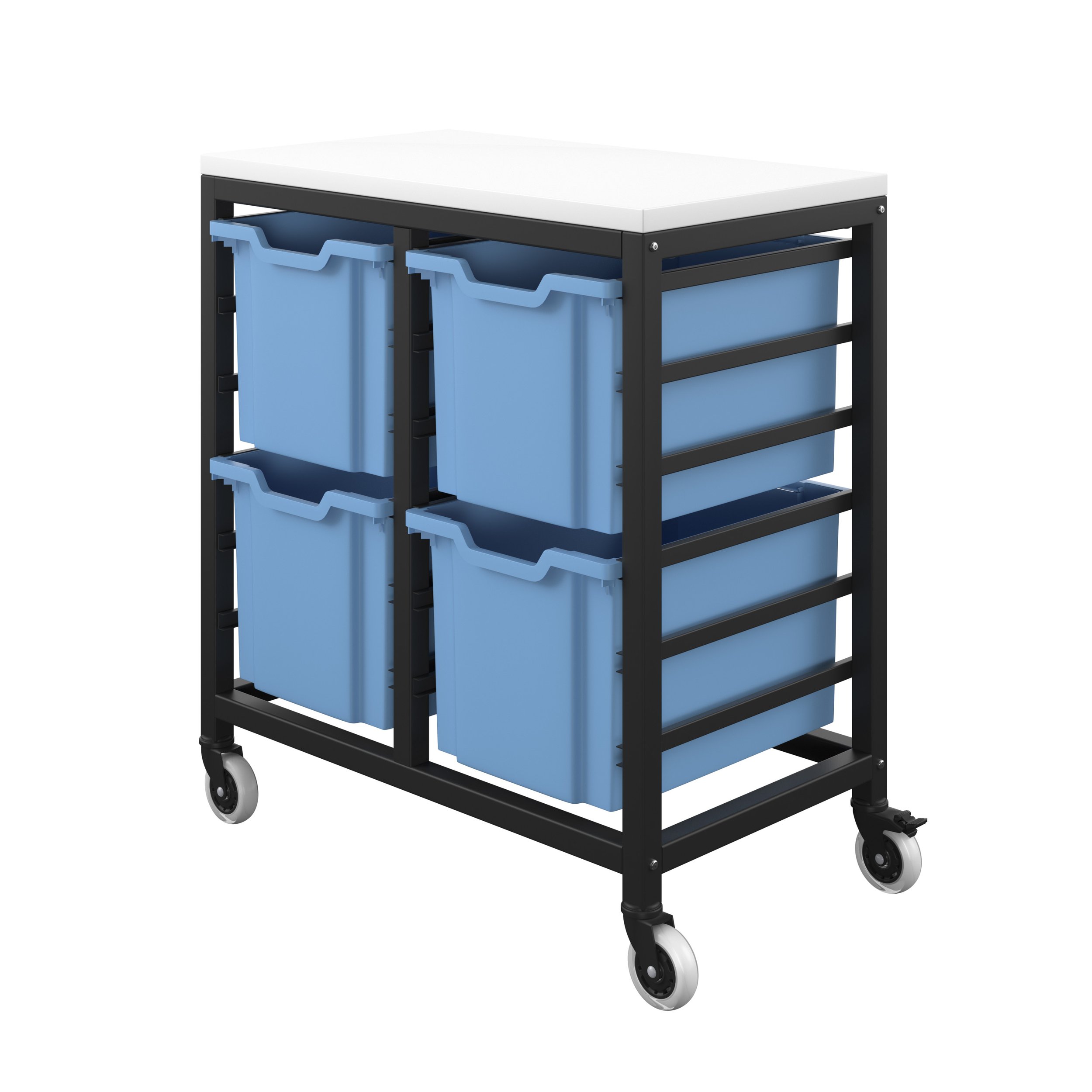


Learning environments are constantly evolving to meet educational needs, and our educational furniture range is designed to support that.
The Titan trays are ideal for compact classroom settings and perfect for fitting in smaller spaces and storing book bags, stationery, and notebooks. These trays have been designed specifically to allow for mobility within classrooms, with easy-glide wheels.
Stocked with blue trays
Multiple colour options available
Available in more than 32 colours. Made to order colour trays have a lead time of 15 days
Contact us at sales@titanfurniture.co.uk for more information.
Non-traditional Seating: Incorporate unconventional seating like stability balls, wobble stools, or rocking chairs. These options engage core muscles and provide subtle movement opportunities to aid concentration.
Interactive Boards and Displays: Install interactive whiteboards or touch screens to encourage physical interaction with digital content.
Conclusion: Designing spaces to support physical/kinesthetic learning involves thoughtful planning and consideration of the right furniture and layout. By providing flexible seating options, creating collaborative spaces, and incorporating movement zones, you can create an environment that empowers kinesthetic learners to excel and engage with their education actively. Remember, the key is to offer variety and choice to cater to the diverse learning styles within your classroom or educational setting.